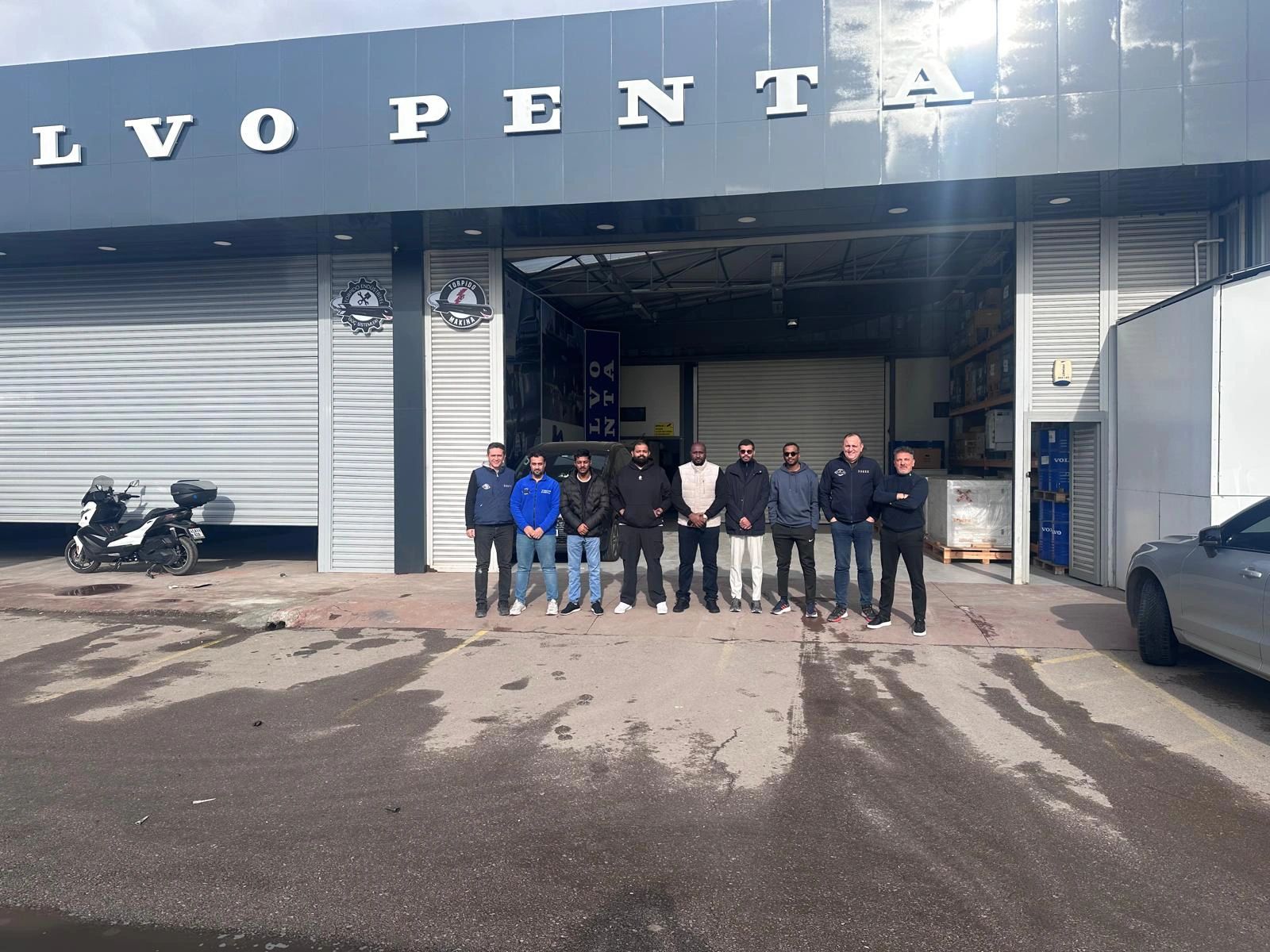
Purpose and Scope of the Training Program
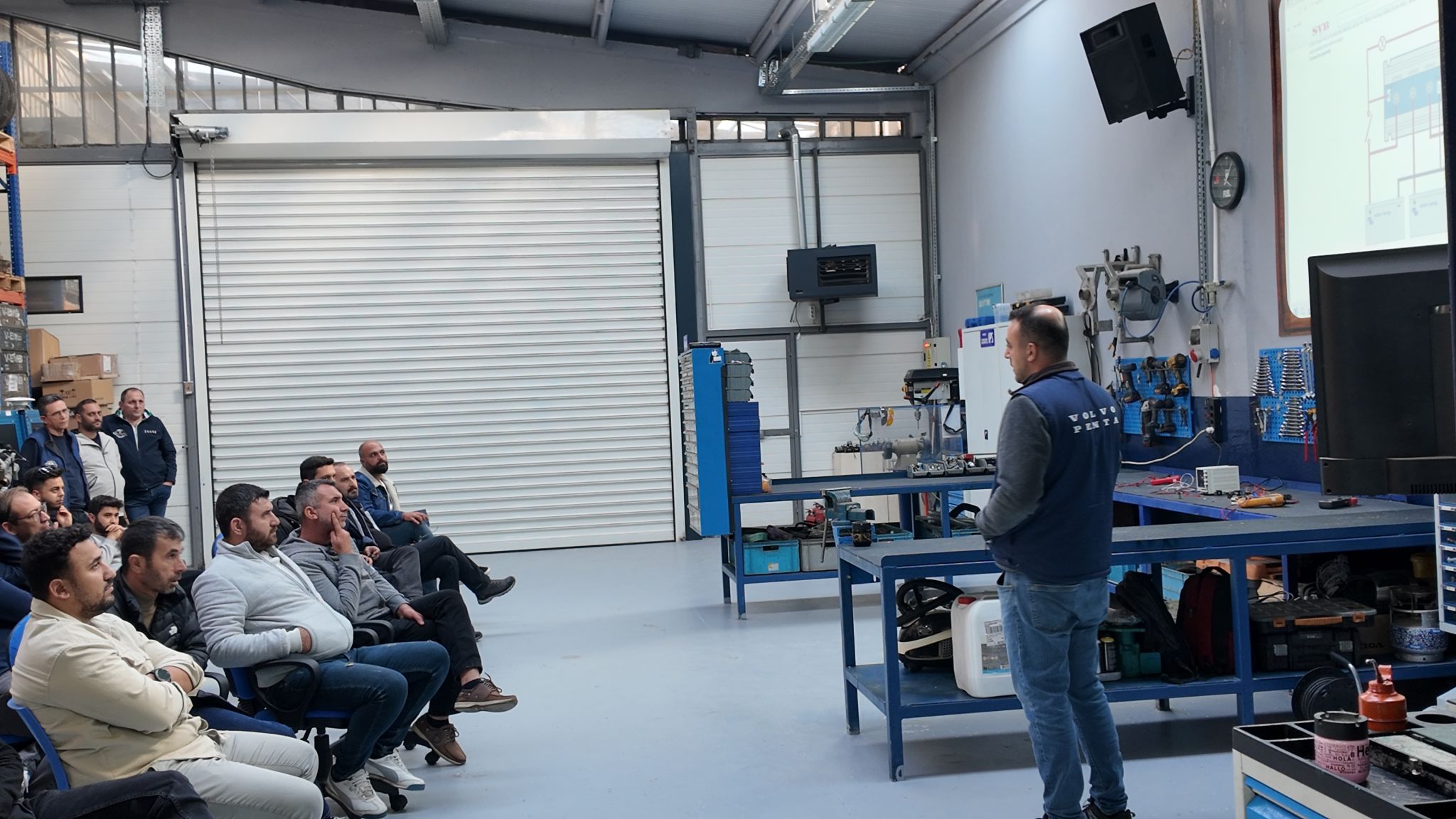
The Volvo Penta training conducted by Torpido Machinery aims to enhance the operational capabilities of the Qatar Navy. This training program aims to provide participants with comprehensive knowledge about Volvo Penta engine systems and their maintenance. The technical knowledge and experience provided by Volvo Penta will contribute to the effective management of the navy's ship systems. The training process provides participants with rich content consisting of both theoretical and practical information, enabling them to feel more competent in situations they may encounter in real life.
The main objectives of the training program include specializing in the use of Volvo Penta systems, correctly applying maintenance procedures, and achieving high efficiency from these systems. Participants will gain on-the-job experience by taking part in practical training alongside theoretical lessons. This hands-on approach demonstrates how the information learned can be used in practice and equips participants with the skills to handle real-world scenarios.
Additionally, this training program will play a significant role in ensuring national security by enhancing the effectiveness of the Qatar Navy's maritime operations. Offered with the contribution of Volvo Penta Turkey, this training creates value for engineering and technical personnel by providing knowledge about systems equipped with advanced technology. A successful training process contributes to the professional development of naval forces personnel and guarantees compliance with international standards. Therefore, this training program not only develops individual skills but also makes a significant contribution to organizational success.
Theoretical and Practical Training Content
As a torpedo machine, the Volvo Penta training program conducted for the Qatar Navy aims to provide participants with comprehensive knowledge. At the beginning of the training process, theoretical information is provided on Volvo Penta engine technologies and system structures. This theoretical training helps participants understand Volvo Penta's wide range of products and how these products are integrated. Another important component of the training program is presentations on maintenance procedures and fault diagnosis methods. At this point, participants are provided with information on periodic engine maintenance, fault detection processes, and the various techniques to be used in these processes.
Many naval forces require sound maintenance knowledge to ensure the effective and reliable operation of their equipment. Therefore, as part of Volvo Penta training, participants not only acquire theoretical knowledge but also learn methods they can apply in practice. Hands-on training enriches participants' experience with Volvo Penta low- and high-power engines. During the training, predefined scenarios and applications on engine systems aim to reinforce participants' fault diagnosis capabilities and maintenance knowledge.
As a result, this training program provided by Torpido Makina enhances the Qatar Navy's expertise in Volvo Penta engine systems, thereby significantly supporting operational efficiency. Participants are equipped with both theoretical knowledge and practical skills.
Practical Work on the D11 Engine
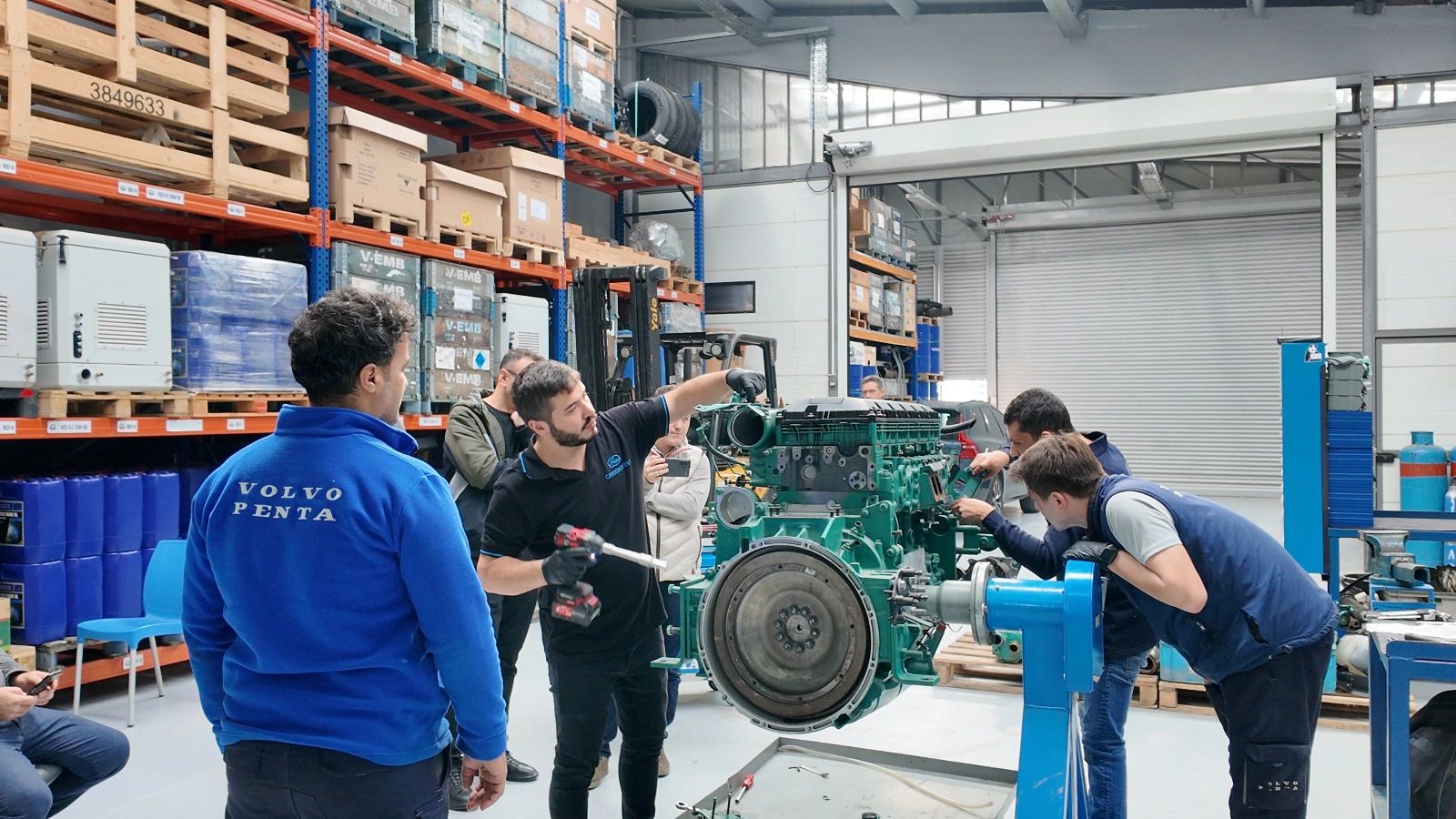
The D11 engine is one of Volvo Penta's engineering marvels, and the practical training program conducted with the Qatar Navy aims to enhance participants' technical knowledge and skills.
During the Volvo Penta training, trainees conducted various practical exercises to understand the functionality of the D11 engine. These exercises covered how the engine's components work, maintenance requirements, and how to respond to potential malfunctions. The practical training deepened the participants' knowledge by enabling them to apply their theoretical knowledge in a concrete manner.

During practical applications, participants had the opportunity to indirectly experience the internal structure, performance criteria, and efficiency of the engine. In this context, the work carried out on the D11 engine in particular is of great importance in terms of improving maintenance and repair processes and better understanding Volvo Penta's quality.
In addition, another important aspect of practical training is raising awareness on occupational safety and sustainability issues. By learning safe working methods during the applications, participants gained competence in how to apply occupational health and safety standards. This is critical for the Qatar Navy's naval vessels and is essential for the effective use of torpedo machine systems.
In conclusion, the practical work carried out on the D11 engine has been enhanced by the experience and knowledge gained by participants within the framework of the Volvo Penta Turkey relationship. Such applications are indispensable in terms of both improving individuals' skills and developing the technical competence of institutions.
Collaboration and Future Vision
As Torpido Makina, we develop various strategies to strengthen our international partnerships and maximize the benefits of the experience we gain in this process. The Volvo Penta training conducted with the Qatar Navy is a reflection of these strategies. All personnel participating in the training process demonstrated a high level of engagement alongside Volvo Penta Turkey experts, emphasizing the importance of knowledge and experience sharing. Such training programs contribute to strengthening cooperation and establishing trust between institutions, going beyond simply transferring technical knowledge.
Thanks to our training programs, participants gained new skills by benefiting from each other's expertise. Our plans for making these training programs even more effective in the future include more interactive and hands-on training methods. Furthermore, programs such as Volvo Penta training will ensure that participants are equipped with the latest knowledge and technologies, supporting both individual and organizational development. Future training programs will play a critical role not only in increasing existing knowledge but also in developing solutions tailored to the industry's needs.