Purpose of the Training Programme and Participants
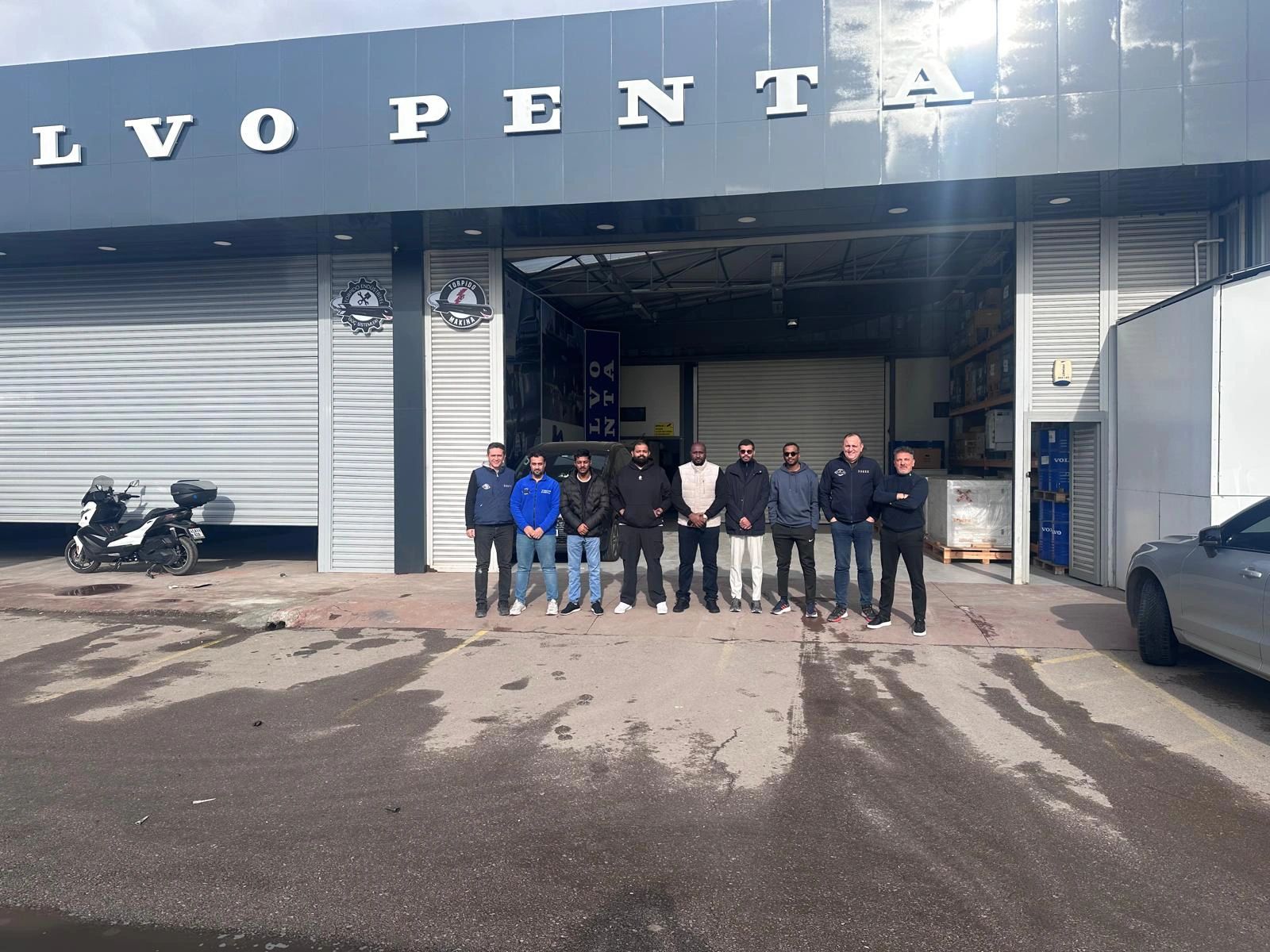
The primary objective of the training programme organised by Torpido Makina is to provide participants with in-depth knowledge about the technical details and maintenance processes of Volvo Penta engines. This training is designed in accordance with industry standards and aims to develop the existing skills of participants. The content and application-oriented nature of the training aims to enable participants to gain the competence to use the knowledge they acquire in practice.
Participants are generally employees of public institutions, and this programme includes technicians and engineers from specific public institutions. This type of participant profile broadens the sectoral scope of the training and contributes to the diversity of the programme. Participants hope to increase their competence in the operation and maintenance of Volvo Penta engines and to learn effective methods for solving problems they may encounter during this process.
Participants in the training programme expect to learn about topics such as how engines operate, fault analysis and performance enhancement methods. Furthermore, the participation of individuals representing specific public institutions presents a significant opportunity to enhance the quality of state-supported projects. In this context, the training offered by Torpido Makina serves not only as a platform for individual skill development but also aims to provide the sector with qualified experts.
Topics Covered in the Training: Theoretical and Practical Work
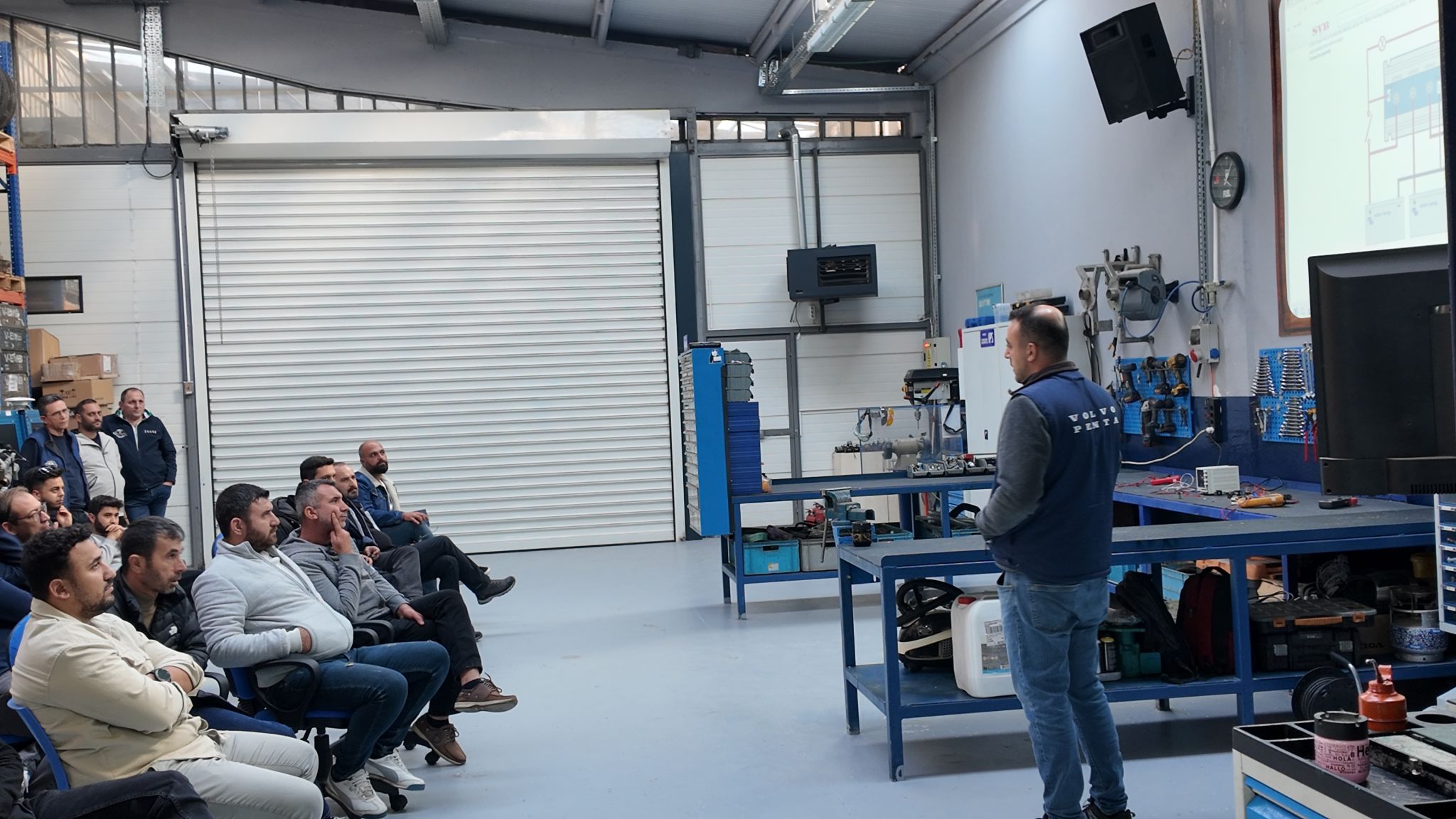
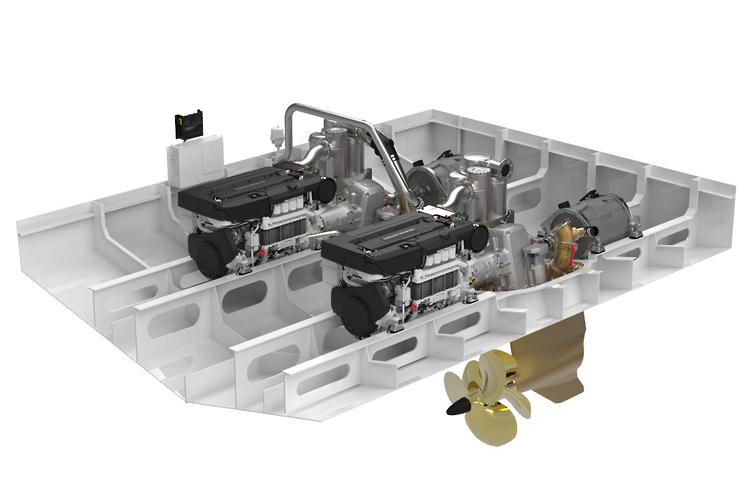
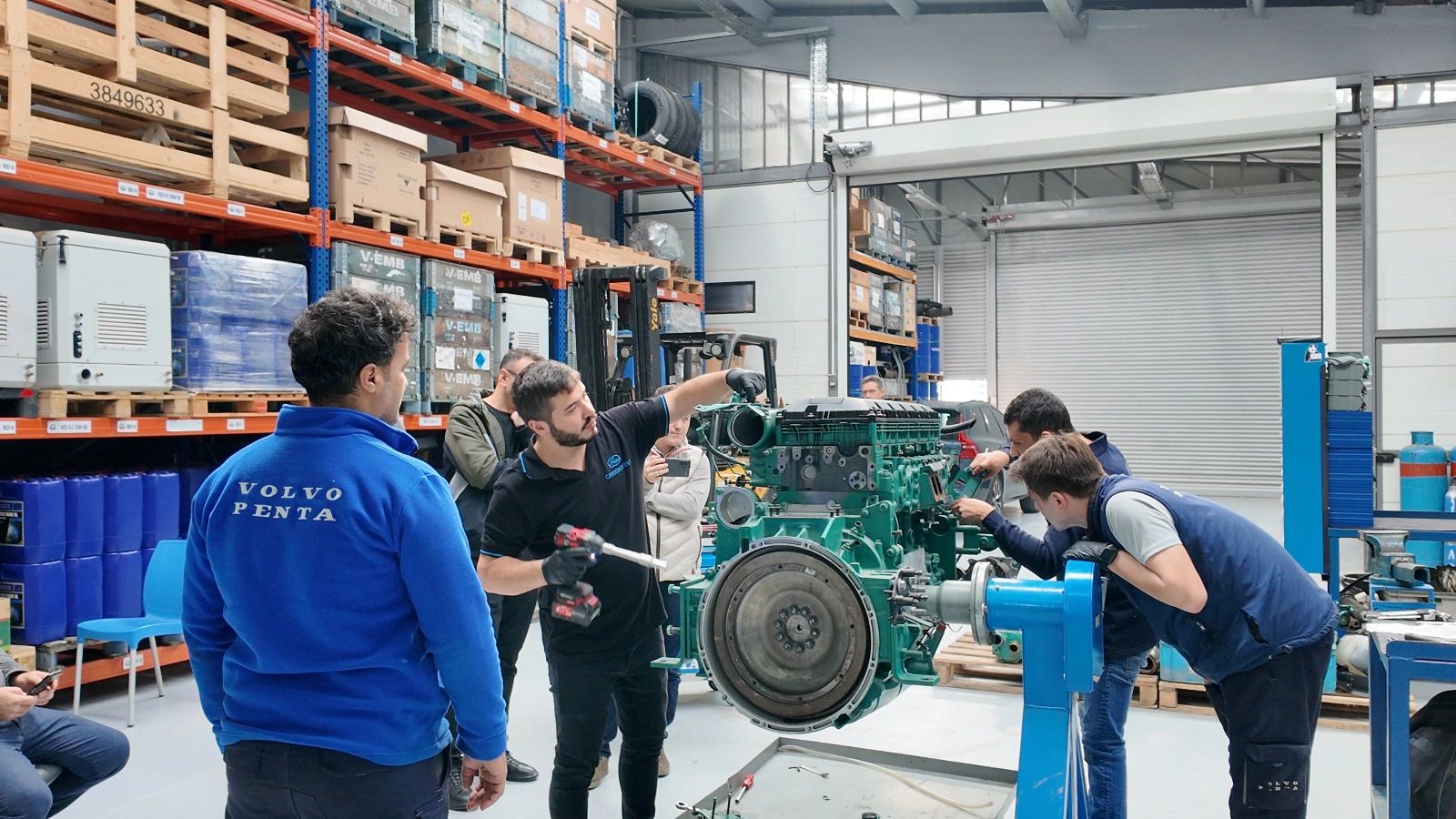
Volvo Penta engine technical and practical training courses provide participants with in-depth knowledge about torpedo engine systems. On the first day of the training, the structure and operating principles of the engines were discussed, providing theoretical information on how these engines work. At this stage, detailed information was provided on the various engine systems offered by Volvo Penta, giving participants a broad perspective on the mechanics and operation of the engines.
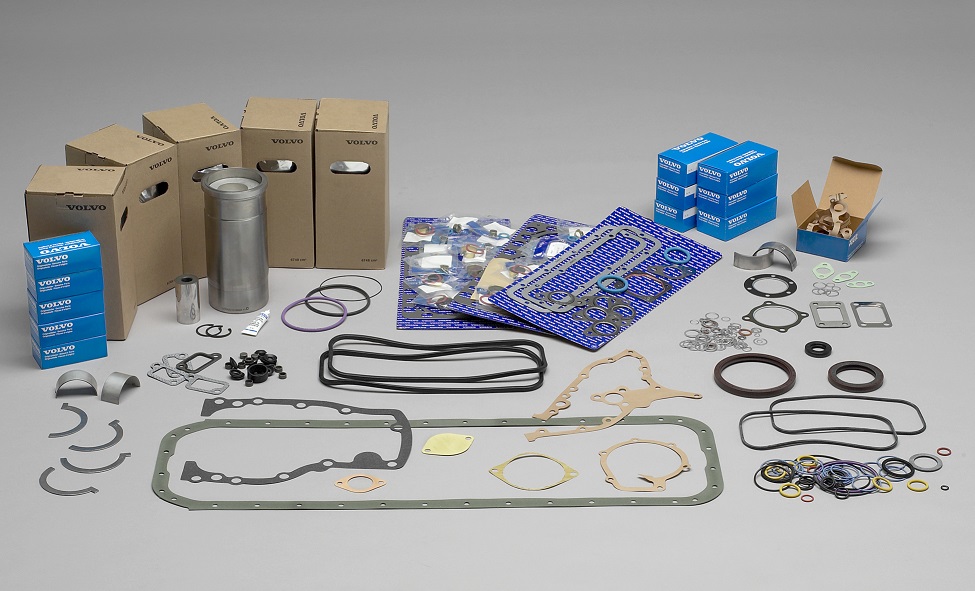
Additionally, maintenance processes play a significant role in training. Participants had the opportunity to engage in practical work on how to perform regular maintenance on engines. In this context, in addition to general maintenance, the training focused on common faults encountered in Volvo Penta engines, as well as methods for identifying and resolving these faults. In the practical part of the training programme, participants had the opportunity to apply their theoretical knowledge by working directly with engine systems.
The materials and applications used in training also play an important role. Using advanced technologies and simulation tools, preparations have been made with real-life examples in fault detection and engine repairs. This aims to reinforce the knowledge and skills of technicians working in public institutions and the private sector. As a result, the practical application of theoretical knowledge has helped participants understand the process more effectively.
Volvo Penta's Innovative Technologies and Contribution to the Industry
Volvo Penta provides the most advanced engine technologies in the industry, and these technologies are of great importance, particularly for public institutions. Thanks to their innovative designs and engineering solutions, Volvo Penta engines increase energy efficiency, reducing costs for businesses while also contributing to environmental sustainability goals.
These engines, used in the torpedo machinery sector, offer both performance and reliability, effectively serving in various applications within the public sector. Advanced diesel engine technology, combined with extended maintenance intervals and low fuel consumption, makes these engines an ideal choice for public institutions. Additionally, advanced automation systems and remote monitoring capabilities further simplify maintenance processes, enabling users to ensure uninterrupted operation.
During the training process, participants are provided with information about the innovative tools and methods offered by Volvo Penta. These tools enable practitioners to become more proficient in the maintenance and operation of engines. At the end of the training, participants will have gained knowledge about the practical applications of these technologies, and this knowledge will assist them in their efforts to increase efficiency within their own organisations.
Furthermore, when the advantages offered by these engines and their position in the industry are evaluated by public institutions, they are seen as part of the progress made in the field of torpedo engines. Volvo Penta is leading the industry with its innovative approaches and is generating a high level of trust and satisfaction among users.
Feedback from Participants After Training and Future Goals
The Volvo Penta engine technical and practical training process has resulted in a high level of satisfaction among participants. Feedback received after the training has detailed participants' experiences and the contribution of these training courses to their professional development. Overall, participants were highly satisfied with the content of the training, the expertise of the trainers, and the advantages offered by learning through practical application.
Most of the feedback provided by participants focused on the practical application of the training. In particular, the in-depth coverage of torpedo engines and Volvo Penta topics provided participants with the opportunity to apply their knowledge in real-world scenarios. In addition, many participants assessed how the knowledge and experience they gained at the end of the training could be used more effectively in
their own work and projects. The view that the training approach met participants' expectations was predominantly highlighted. In terms of future goals, Torpido Makina's planned new training programmes are noteworthy. Collaborations with public institutions and projects to be carried out with the private sector aim to broaden the scope of these training programmes. Furthermore, in order to enable more participants to benefit, training programmes are also planned to be organised on online platforms. In line with participants' requests, the aim is to create alternative programmes such as advanced level training, seminars and supporting workshops. This approach aims to open up new avenues that will support participants' career development and provide them with additional opportunities.